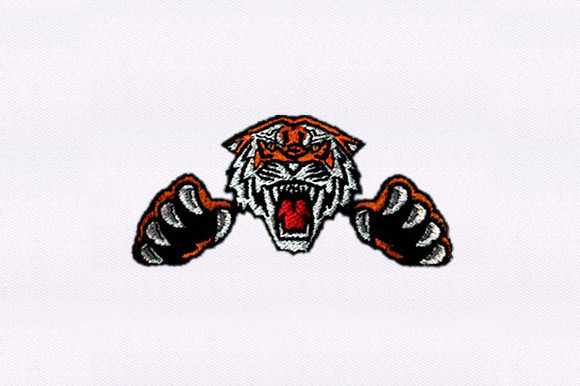
Attacking Tiger: A Bold Embroidery Design
The Attacking Tiger embroidery design is a striking and dynamic addition to any embroidery project. As an experienced designer, I'm always on the lookout for designs that can make a statement while also being versatile enough for various applications. The Attacking Tiger certainly fits this bill, with its fierce and powerful presence.
First Impressions: A Fierce and Dynamic Design
Upon first glance, the Attacking Tiger creates a strong, almost intimidating mood. The design captures the tiger in a moment of action, with its claws outstretched and a determined expression. The layout is well-balanced, with the tiger's form taking center stage, and the details are intricate yet not overly complex. This makes it a visually appealing choice for a wide range of projects, from custom apparel to personalized gifts.
Real-Life Embroidery Situations: Versatility and Impact
Let's consider a real-life scenario: preparing a custom embroidered tote bag. The Attacking Tiger would be a perfect fit for a tote bag, especially one aimed at a younger, edgier market. The design's bold lines and dynamic pose would stand out, making the tote bag a standout piece. For sweatshirts and t-shirts, the Attacking Tiger would add a unique and eye-catching element, perfect for those who want to make a statement with their clothing.
For baby items, the Attacking Tiger might need a bit more consideration. While the design is visually impressive, it may be too intense for a nursery setting. However, it could work well on a baby onesie or blanket for a family with a love for wild animals and a bold aesthetic.
Careful Considerations: Where to Use the Design Wisely
While the Attacking Tiger is versatile, there are some areas where it should be used with caution. For small hoop sizes, the intricate details of the design might not translate well, leading to a loss of clarity. Textured fabrics, thin fabric, and stretchy materials can also pose challenges, as they may distort the design or cause puckering. Dark fabrics, especially those with a busy pattern, might obscure the details of the tiger, so it's best to use it on lighter or solid-colored backgrounds.
For curved surfaces like caps and hats, the design's shape and size should be carefully considered to ensure it fits well without distortion. Additionally, the dense stitch areas and detailed corners of the Attacking Tiger require a proper stabilizer to maintain the design's integrity, especially for products that will be frequently washed.
Visual Appeal and Practical Value: Enhancing Your Projects
The Attacking Tiger significantly enhances the visual appeal of any project. Its bold and dynamic nature adds a touch of excitement and energy, making it a great choice for creating high-value, eye-catching products. For handmade products and personalized gifts, the Attacking Tiger can elevate the overall presentation, making it a memorable and cherished item.
From a business perspective, the Attacking Tiger can help build customer trust and brand consistency. Whether you're an Etsy seller, a small shop owner, or a craft business, this design can become a signature element, helping to establish a strong and recognizable brand. It's also a fantastic choice for commercial embroidery projects, adding a professional and polished look to your finished products.
Practical Embroidery Designer Notes
- Test the design on scrap fabric first: This helps you understand how the design will behave on different types of fabric.
- Check thread color contrast: Ensure the colors you choose provide good contrast and visibility, especially on dark or textured fabrics.
- Review stitch density: Adjust the stitch density if needed to prevent puckering or distortion, especially on thinner or stretchy fabrics.
- Confirm hoop size: Make sure the design fits within your hoop size to avoid issues with alignment and clarity.
- Inspect small details: Pay close attention to the smaller elements of the design, such as the tiger's claws and facial features, to ensure they stitch cleanly.
- Test it in black and white mockups: This helps you see the design's structure and balance, which is especially useful for checking the overall composition.
- Compare light and dark fabric backgrounds: Test the design on both light and dark fabrics to see how it looks in different contexts.
- Use proper stabilizer: A good stabilizer is essential for maintaining the design's integrity, especially on stretchy or thin fabrics.
- Check whether the design works for both personal and commercial projects: Ensure the design is suitable for your intended use, whether it's for personal projects or commercial resale.
- Confirm licensing before selling finished items or digital products: Always check the licensing terms to ensure you have the right to use the design for commercial purposes.
In conclusion, the Attacking Tiger is a powerful and versatile embroidery design that can add a bold and dynamic touch to a wide range of projects. With careful consideration and proper preparation, it can become a standout element in your embroidery portfolio, enhancing both the visual appeal and the value of your finished products.